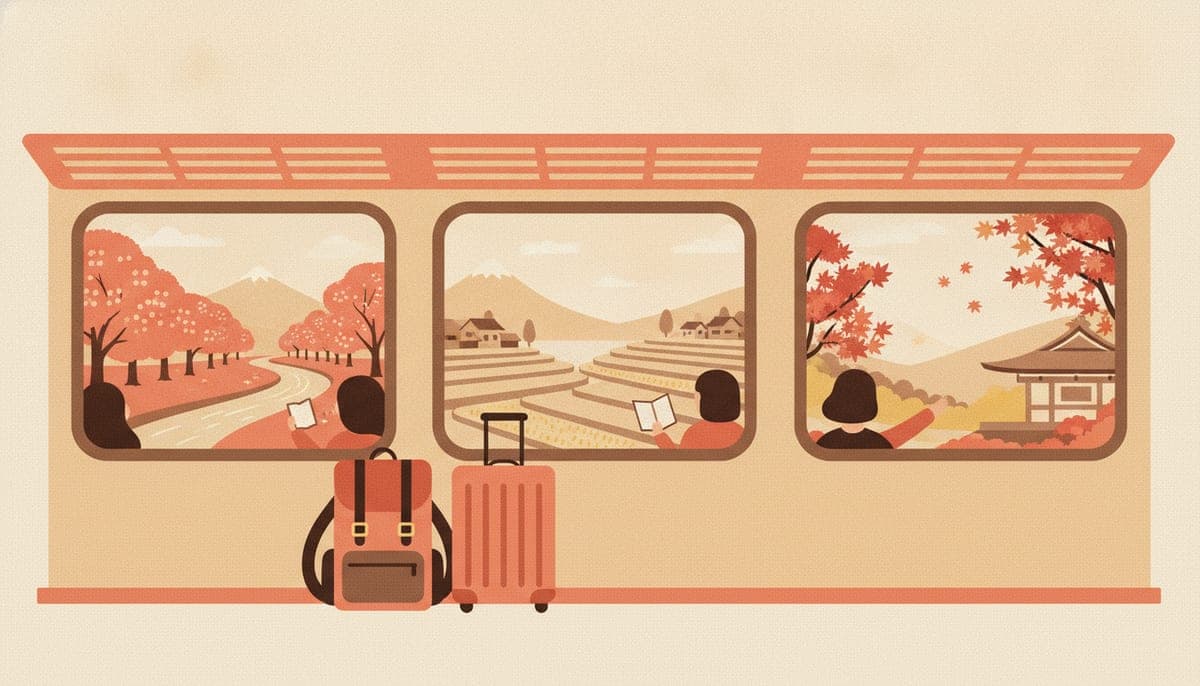
Foreign visitors and working holiday makers arriving in Japan can navigate public transportation easily thanks to multilingual signage, romanized station names, clear pictograms, and onboard English announcements. To reduce overall transit costs while traveling across the country, newcomers can utilize domestic discount fares provided by railway companies and airlines, along with municipal "Welcome Cards." Because individual visa conditions and legal requirements vary, readers should always confirm visa rules and application procedures with official government sources.
How can foreign travelers navigate Japanese transit without speaking Japanese?
When arriving in Japan for a working holiday or long-term stay, getting around cities like Tokyo or traveling between prefectures can initially seem challenging due to language differences. However, national transportation initiatives have systematically eliminated language barriers for international travelers. According to the Ministry of Land, Infrastructure, Transport and Tourism, after foreign visitors to Japan exceeded four million in 1997, the government introduced "Welcome Plan 21" to double international visitor numbers within ten years. As part of this push, comprehensive hardware and software measures were implemented across the public transit network.
Surveys of foreign visitors revealed that individual travelers frequently encountered communication difficulties and a lack of English signage. In response, transportation authorities and train operators implemented standardized multilingual tools across railway stations and transit terminals:
- Romanized text and English signage: Station nameboards and directional signs feature Romanized Japanese (Romaji) alongside English text. In specific regions like Kyushu, signs also incorporate Chinese and Korean translations.
- Pictograms: Universally recognizable visual icons are used throughout transit terminals to indicate ticket counters, exits, restrooms, and train lines.
- In-train audio announcements: Audio announcements inside train cars are provided in English to inform passengers of upcoming station stops, transfers, and door operations.
These integrated features allow foreign arrivals to navigate complex urban subways and intercity train networks independently and confidently without needing prior Japanese fluency.
Where can foreign arrivals get local travel information and guide assistance?
Navigating new cities and planning regional trips across Japan is supported by a structured network of tourist assistance facilities and licensed guide services established specifically for foreign residents and visitors.
- JNTO Tourist Information Centers: The Japan National Tourism Organization (JNTO) established the country's first dedicated tourist information centers for foreign visitors in primary hubs like Tokyo and Kyoto. These centers provide personalized transit advice, maps, and travel information.
- The "i" Network Tourist Information Offices: Local governments and regional tourist associations created a widespread network comprising 93 "i" network tourist information offices. These offices offer localized navigation advice and destination guides across different municipalities.
- Regional Guide Systems: Under the Law to Promote Inbound International Tourism by Diversifying Destinations in Japan, the government introduced a regional guide business framework. This program enabled local areas to issue specialized guide credentials, such as the special interpreter/tourist guide license established in Kyushu in 1998, ensuring qualified interpretation and guidance for international guests outside major metropolitan centers.
Whether you need direction in central Tokyo or plan to explore regional destinations during your working holiday, these official information centers offer reliable guidance tailored to foreign travelers.
What discounts and savings are available for traveling around Japan?
Managing travel expenses is a primary consideration for working holiday makers and foreign students exploring Japan on a budget. To encourage international visitors to explore various regions, both national and regional entities have established specific discount programs:
- Airline and Railway Discount Fares: Railway companies and domestic airlines offer special discount fares designed to lower transit costs for foreign travelers moving within Japan.
- Municipal "Welcome Cards": Local governments across Japan issue "Welcome Cards" specifically for foreign visitors. These cards provide discounts and special promotional rates for local transportation, cultural sites, and regional attractions.
By combining discounted transit fares with municipal Welcome Cards, working holiday makers can significantly lower their living and travel expenses while exploring different prefectures.
Finding a place to stay
When preparing for a working holiday in Japan, it is recommended to arrange your initial accommodation after your visa is approved and prior to your arrival date. Having secure housing confirmed before landing ensures a stress-free arrival and provides a stable base while completing official registration procedures. Many newcomers stay in a furnished monthly apartment first while exploring different neighborhoods and setting up their local life. Look for housing options that offer transparent terms, convenient public transit access, and all-inclusive utilities. OHAYO Stay offers furnished monthly apartments and rooms in Tokyo. The monthly price includes electricity, gas, water and Wi-Fi. No guarantor, no key money and no agency fee; booking is online with a passport or ID and a credit card. Securing a comfortable monthly rental beforehand allows you to focus on settling into Tokyo and planning your travels.
FAQ
What multilingual support is provided at Japanese train stations?
Railway stations feature signage with Roman letters, English text, pictograms, and Chinese/Korean translations in regions like Kyushu, alongside English audio announcements inside train cars.
Where can foreign visitors seek in-person tourist support?
Foreign visitors can visit JNTO tourist information centers in Tokyo and Kyoto, or access any of the 93 "i" network tourist information offices established by local governments and tourist associations.
How do travel discount programs help foreign visitors reduce transport costs?
Foreign travelers can utilize special domestic discount fares offered by railway operators and airlines, as well as municipal "Welcome Cards" issued by local governments to reduce travel expenses.
Sources
- 国土交通省「1998010303」(checked 2026-11-01)
Facts are summarized in our own words; see the linked pages for the official details.
Rules and dates can change. Always confirm with the official source before you apply.