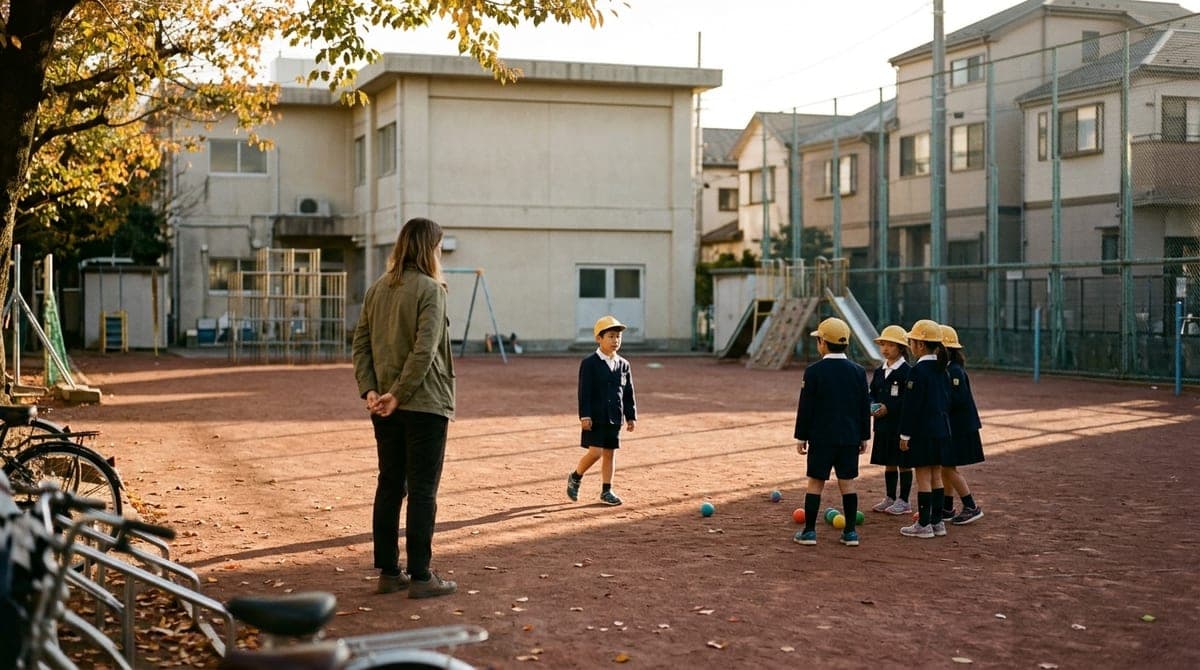
Children who reach six years of age by April 1 begin their six-year elementary education, which is followed by junior high school until the first March 31 after they turn 15 years old. Although Japan’s nine-year compulsory education program does not apply legally to foreign nationals, non-Japanese children aged 6 to 15 are encouraged to attend public schools free of tuition costs. Furthermore, public schools permit foreign students to enter lower grades if they require additional time to adapt to Japanese instruction or match local curriculum standards.
What are the age cut-offs and legal rules for public school entry in Japan in 2026?
For foreign families relocating to Japan in 2026, understanding the school system schedule is essential for proper educational planning. Under Japanese guidelines, elementary education lasts for six years, starting from April 1 of the calendar year a child reaches age six. Following elementary graduation, students continue into junior high school until March 31 immediately after reaching 15 years of age.
While the Japanese constitution mandates nine years of compulsory schooling for citizens, foreign residents are not legally forced to participate. However, the national government and local Education Committees explicitly encourage foreign children between 6 and 15 years old to enroll in public schools so they do not miss educational opportunities. Foreign students who attend public compulsory education institutions receive the exact same tuition-free benefit as Japanese citizens.
Can non-Japanese children enroll in a lower grade level?
Yes, entry into a lower grade level is allowed for non-Japanese students. Because the primary medium of education—including classroom instruction, administrative enrollment procedures, and parental notices—is strictly in Japanese, communication can present an initial hurdle for arriving families.
To address these language barriers and accommodate differences in academic curricula between Japan and a student's home country, school authorities allow foreign children to be placed in lower grades. This flexibility ensures that students can catch up on foundational concepts and acquire essential Japanese language skills without unnecessary academic pressure.
How is the daily schedule and lunch program structured in public schools?
Public elementary and junior high schools in Japan operate on a five-day school week from Monday through Friday. Daily classroom sessions are organized around specific timeframes and age-appropriate workloads:
- Class Duration: Public elementary school lessons are set at 45 minutes per class.
- Daily Structure: Students typically complete four classes during the morning session, followed by one or two classes in the afternoon.
- Grade Workloads: First-grade, second-grade, and third-grade pupils take approximately five classes daily. Fourth-grade, fifth-grade, and sixth-grade pupils take about six classes each day.
Additionally, most public elementary and junior high schools operate an organized meal-service program. Because school lunches are provided directly by the facility, parents do not need to pack daily lunches for their children. The average monthly cost for these school meals is approximately ¥4,500 for elementary school students and around ¥5,000 for junior high school students.
What language support, school events, and behavioral rules should parents expect?
Support for non-English-speaking or non-Japanese-speaking foreign children varies across the country. Specialized support is not yet established on a nationwide scale. However, select municipalities provide dedicated language assistance; for instance, Tsukuba City has established specialized Japanese language education classes staffed by qualified Japanese language instructors to help non-Japanese students adjust.
Japanese schools place heavy emphasis on collective activities and social cohesion. Parents can expect a wide array of annual events, including:
- School open days and classroom observation days
- Athletic sports days and cultural festivals
- Learning presentations and extra-school regional exchange classes
- Workplace experience programs and overnight school trips
Parents and guardians are frequently invited to observe or participate directly in these school events. Once students move into junior high school, extracurricular club activities known as *Bukatsudo* become a major part of student life. Although joining a club is not mandatory, participants often train late into the evening and may attend weekend practices or competitive matches.
Finally, foreign parents must be prepared for strict school regulations. Public institutions maintain detailed rules governing daily student life, including commuting methods, mandated uniforms, uniform caps, approved designs for shoes and backpacks, and permitted hairstyles. Japanese schools apply detailed standards and may impose penalties if these regulations are not followed.
Finding a place to stay
When relocating to Tokyo with school-aged children, securing a temporary home before your arrival allows your family to settle down while completing school inquiries with the local Education Committee. Many newcomers stay in a furnished monthly apartment first during this transition period. OHAYO Stay offers furnished monthly apartments and rooms in Tokyo; most homes have a minimum stay of 30 nights (shown on each listing). No guarantor, no key money and no agency fee; booking is online with a passport or ID and a credit card. Settling into a fully equipped residence makes it easier to navigate local school enrollment procedures.