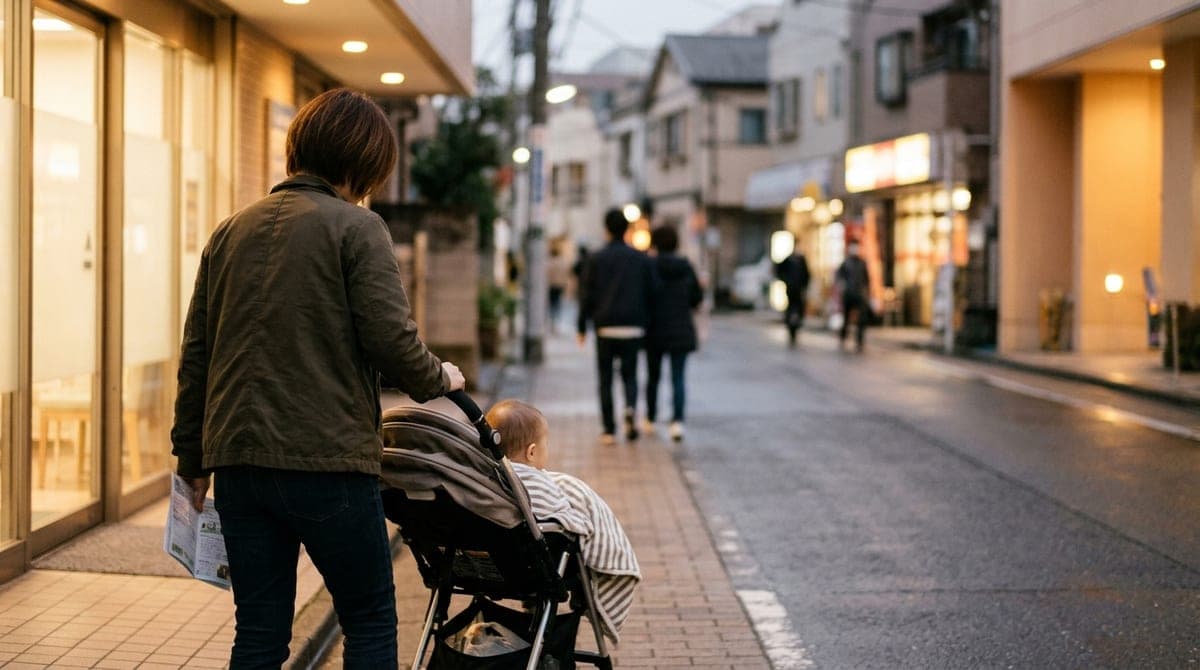
Moving to Tokyo with children involves settling into a new administrative system, but local municipalities provide extensive healthcare support for resident families. Under municipal programs across Tokyo, foreign children who are enrolled in Japanese national or employment health insurance can receive medical expense subsidies that cover self-paid fees for insured treatments up to high school age (the first March 31 after reaching 18 years of age). By registering your residency and applying at your local ward office, you can obtain a medical certificate that simplifies doctor visits and reduces out-of-pocket medical costs.
Who is eligible for Tokyo child medical expense subsidies?
Medical expense subsidies in Tokyo are available to children who reside in Japan with a registered address and are enrolled in Japanese health insurance. Coverage extends up to the first March 31 after the child turns 18 years old. This program includes the high school student medical subsidy system, often referred to as Maru-Ao.
Foreign families should note that eligibility depends on Japanese health insurance enrollment and municipal residence registration. Children who do not have a registered address in Japan are generally ineligible for local child benefits and subsidies, though specific exceptions may be discussed with ward offices in cases such as studying abroad.
What medical expenses are covered by the subsidy?
When a child receives medical treatment covered by Japanese health insurance, the municipality subsidizes the co-payment portion that patients normally pay out of pocket.
- In-network care in Tokyo: Presenting the child's health insurance card together with the municipal medical certificate at the counter of a medical institution within metropolitan Tokyo exempts parents from personally borne costs for insurance-covered treatments.
- Out-of-pocket reimbursements: If you pay costs out of pocket—for instance, when undergoing medical treatment at an institution outside the metropolitan Tokyo area or paying for meal costs during hospitalization—you can file a claim with your ward office to receive a subsidy refund.
- Special medical conditions: Municipalities also offer targeted medical expense subsidies for specialized care, such as children hospitalized for premature delivery or those suffering from chronic illnesses.
For official ward guidance regarding coverage and procedures, foreign residents can consult the Shinjuku City Official Foreign Language Page and the Toshima City Official Website.
How and when should foreign parents apply for medical certificates?
As a general rule in Tokyo municipalities, medical expense subsidies become effective starting from the day of application. Because coverage is not automatically applied retroactively before your application date, parents should complete the paperwork as soon as possible after arriving in Japan or after a child is born.
To apply for the medical certificate, visit the child care or health section of your local ward office (such as Shinjuku City Office or Toshima City Office) with:
- The child’s Japanese health insurance card
- Proof of local address registration
- Identification documents of the parent or guardian
Once processed, the city issues a medical certificate to present alongside your health insurance card at clinics and hospitals.
What other child allowances exist in Tokyo?
In addition to medical expense coverage, Tokyo municipalities offer cash allowances and specialized financial support for qualifying households:
- Child Allowance (Jidou Teate): Paid to parents or guardians raising children up to the first March 31 after reaching 18 years of age. Following updates to the system in October 2024, income restrictions no longer apply to this allowance. Payments begin in the month following your application.
- Monthly allowance rates for younger children: Parents raising children up to the 3rd grade of junior high school (the first March 31 after turning 15) receive between 5,000 yen and 15,000 yen per month per child under the Child Allowance (Jidou) / Special Allowance system.
- Single-parent support: Single-parent households and foster families raising children up to the first March 31 after age 18 (or up to age 20 for children with mid-level or severe disabilities) may qualify for the Child Upbringing Allowance (Ikusei), Child Rearing Allowance (Jidou Fuyou), and Single Parent Family Medical Expense Subsidies. Income limits may apply.
- Disability allowances: Households raising children under 20 with recognized physical or mental health conditions can apply for the Special Childrearing Allowance (Tokubetsu Jidou Fuyou) or Child Upbringing Allowance (disability). Qualifying criteria include holding a Physical Disability Certificate (Category 1 to 3, or specific Category 4 lower limb conditions), an Ai no Techo certificate (Category 1 to 3), cerebral palsy, progressive muscular atrophy, severe mental disorders, or conditions requiring long-term rest.
What common mistakes should foreign families avoid?
- Delaying the application: Subsidies typically take effect from the day you submit your application rather than your move-in date. Delays can result in paying standard out-of-pocket costs for early medical visits.
- Forgetting insurance updates: If you change employers or health insurance plans, you must update your child's medical certificate information with the ward office.
- Assuming overseas children qualify: Children residing outside Japan without a registered Japanese address cannot receive local child allowances, except under specific reviewed circumstances such as study abroad.
Finding a place to stay
When planning a family move to Tokyo, arranging temporary accommodation after your visa or Certificate of Eligibility is approved—and before your official arrival—helps ensure a smooth transition. Having a comfortable home base right away allows you to visit your municipal ward office immediately to register your family's address, join Japanese health insurance, and apply for child medical subsidies. Many newcomers stay in a furnished monthly apartment first while exploring permanent neighborhoods. OHAYO Stay offers furnished monthly apartments and rooms in Tokyo, where most homes have a minimum stay of 30 nights as shown on each listing. Booking is completed online with a passport or ID and a credit card, eliminating traditional upfront hurdles like guarantors, key money, or agency fees.