What should international students know about practical training in Japan in 2026?
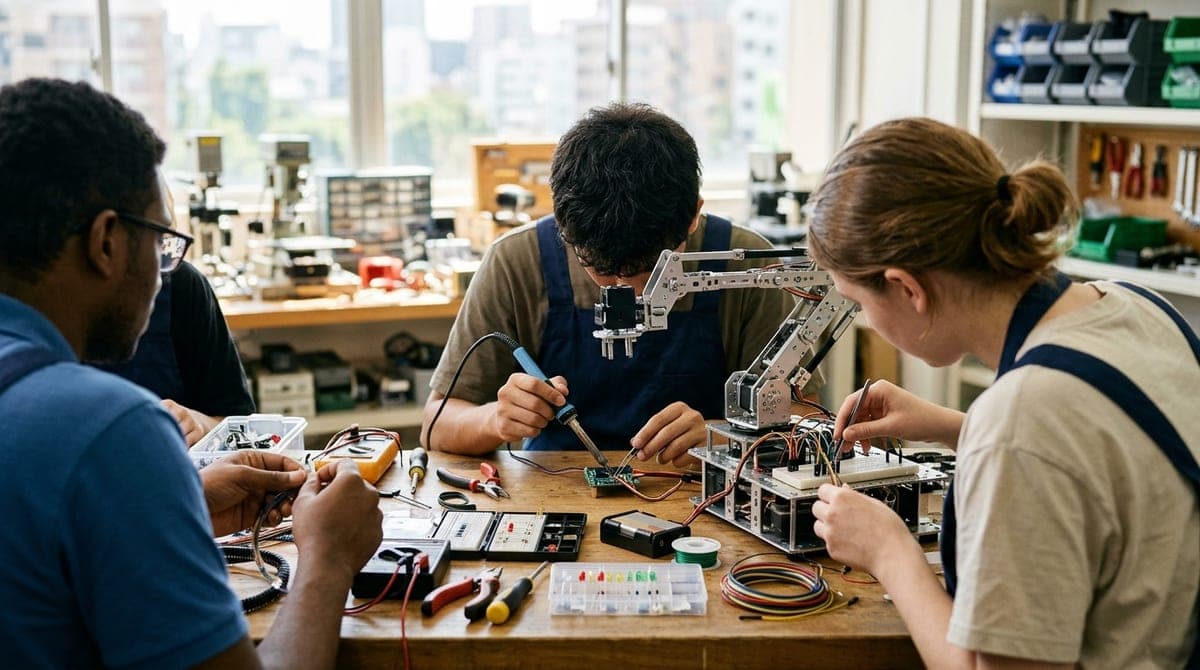
For international students considering vocational education in Japan, internships and practical training play a fundamental role in preparing for professional careers. According to 2026 academic research, practical placements facilitate anticipatory socialization by bridging classroom instruction with real-world workplace environments. Students who exhibit proactive behavior and participate in structured pre- and post-internship programs gain the most from these hands-on opportunities. Please note that individual legal status, language prerequisites, and visa conversion procedures must always be confirmed with official Japanese authorities and educational institutions.
Why are internships and work placements vital in vocational education?
In vocational education, practical placements are designed to introduce students to professional expectations prior to full-time employment. Research published in 2026 by Norihiro Miho, a professor in the Faculty of Economics and Business Administration at Kyoto University of Advanced Science, explores this mechanism in detail. The study, titled "Internships in Vocational Education ー Their Significance as Anticipatory Socialization ー" and published in Volume 10, Issue 1 of the Keishin Journal of Life and Health, emphasizes two core concepts: anticipatory socialization and job connectivity.
Anticipatory socialization refers to the process through which individuals learn and internalize the norms, skills, and values required for a specific profession before officially entering the workplace. Through structured placements at specialized training institutions, students gain direct exposure to real-world work environments, helping them understand professional culture and job expectations before graduation.
How does proactive behavior enhance student learning during practical training?
The 2026 research identifies proactive behavior as a primary factor driving successful anticipatory socialization during internships. Rather than passively observing daily tasks, students who actively engage with supervisors, ask questions, and take initiative derive greater educational value from their practical placements.
Proactive participation allows students to apply theoretical knowledge acquired in lectures directly to real-world tasks. By taking an active role during practical work, students build confidence and gain a clearer understanding of the daily responsibilities required in their chosen industry.
What is the role of pre- and post-internship educational programs?
A central finding of Professor Miho's 2026 study is that the success of practical training depends significantly on how well school curricula integrate with the internship experience. High-quality vocational instruction relies on strong alignment between pre-internship preparation, the placement itself, and post-internship review.
- Pre-internship preparation: Prior to starting practical training, schools prepare students by establishing clear educational objectives and teaching essential workplace communication skills.
- Post-internship reflection: After completing a placement, educational programs help students reflect on their experiences, evaluate their performance, and integrate practical insights into their ongoing coursework.
When pre- and post-internship programs are properly aligned, they directly foster proactive behavior among students. Furthermore, the degree of job connectivity—how closely practical placements align with future employment duties—directly shapes the specific content and learning outcomes of practical training.
What official steps should international students take for admission and visas?
While academic studies underscore the educational value of practical training, international students preparing to study in Japan must carefully manage administrative requirements. Entering specialized vocational programs, maintaining a College Student visa, and eventually transitioning to a work visa after graduation involve specific legal rules.
Because requirements vary depending on the educational institution and official immigration policies, prospective students should not rely solely on general summaries. Always consult official sources, such as the Japanese embassy or consulate in your home country, official school admission offices, and the Immigration Services Agency of Japan, to verify specific admission criteria, language prerequisites, and visa application procedures.
Finding a place to stay
When preparing to move to Tokyo for vocational studies, arranging accommodation at the right time in your planning process helps ensure a smooth transition. Prospective students should typically secure housing after receiving their visa or Certificate of Eligibility, but well before arriving in Japan. Many newcomers stay in a furnished monthly apartment first while settling into their academic routine and exploring potential internship locations. OHAYO Stay offers furnished monthly apartments and rooms in Tokyo. Most homes have a minimum stay of 30 nights (shown on each listing), and the monthly price includes electricity, gas, water and Wi-Fi. Securing flexible housing early allows you to focus on your studies and practical training from day one.