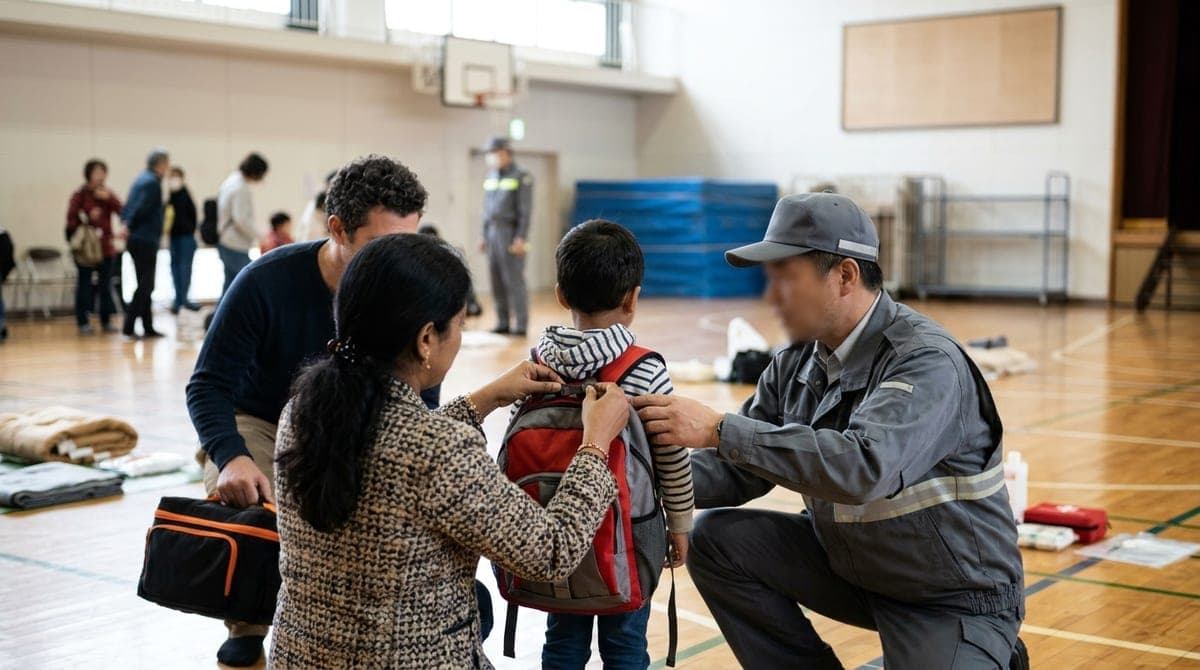
For foreign families, international students, and workers moving to Tokyo, understanding earthquake readiness and emergency procedures is essential when settling into Japan. The Tokyo Metropolitan Government (TMG) Bureau of Citizens and Cultural Affairs organizes annual disaster prevention drills specifically designed to assist non-Japanese residents. These official guidance programs provide practical hands-on experience—including earthquake simulation vehicles, initial firefighting, and safety confirmation methods—ensuring foreign parents and individuals build the physical and mental preparedness needed during a crisis.
What official disaster preparedness training does Tokyo offer foreign residents?
The Tokyo Metropolitan Government Bureau of Citizens and Cultural Affairs conducts dedicated disaster prevention drills each year for foreign residents across the metropolis. The primary goal of this official initiative is to help non-Japanese community members gain critical disaster preparedness knowledge through interactive, hands-on activities rather than passive instruction.
By attending these annual drills, foreign nationals living in Tokyo can develop the physical and mental readiness required to respond calmly during an earthquake or major disaster. At the same time, the training sessions strengthen administrative collaboration between the Tokyo Metropolitan Government and relevant emergency organizations while sharpening the skills of specialized support personnel.
What hands-on emergency skills can foreign families practice?
The disaster prevention drills organized by the Tokyo Metropolitan Government cover several vital life-safety skills designed for real-world application:
- Experiencing earthquake motion: Participants can step inside an earthquake simulation vehicle to feel the actual shaking caused by a major seismic event, helping international parents and children understand what strong tremors feel like in a safe environment.
- Initial firefighting practice: Attendees learn practical initial firefighting techniques using a household fire extinguisher, discovering how to suppress small fires immediately after an earthquake.
- First aid treatment: The training demonstrates how to administer basic first aid treatment to neighbors and family members when medical services may be delayed during a widespread disaster.
- Information gathering and safety confirmation: Participants are taught how to access accurate disaster-related knowledge and emergency updates, alongside specific methods for confirming the safety of family members and friends.
How does Tokyo handle language barriers during an emergency?
To ensure non-Japanese speakers receive clear information during a crisis, Tokyo relies on Tokyo Metropolitan Disaster Language Volunteer Interpreters. These volunteers utilize their foreign language skills to assist foreign residents whenever an earthquake or major disaster strikes the metropolis.
The annual drills serve as a core training ground for these interpreters. During each session, language volunteers engage in translation and interpreting exercises, including simulated practice on handling telephone inquiries from foreign nationals in the middle of a disaster. This system helps ensure that essential safety instructions remain accessible to international families even if they are not yet proficient in Japanese.
Where and when are Tokyo disaster prevention drills conducted?
The Tokyo Metropolitan Government holds these drills annually at public sports complexes and facilities throughout the capital. Past event records demonstrate the scope and locations used for training:
- Fiscal Year 2014 Drill: Held on Tuesday, January 27, 2015, at the Tokyo Metropolitan Gymnasium in Sumida Ward.
- Fiscal Year 2015 Drill: Held on Tuesday, January 26, 2016, at the Tokyo Metropolitan Gymnasium in Shibuya Ward.
- Fiscal Year 2016 Drill: Held on Friday, January 20, 2017, at the Komazawa Olympic Park General Sports Ground in Setagaya Ward.
Schedules and venue details for future drills are posted on the Tokyo Metropolitan Government official website and other media channels once plans are finalized. Foreign families, university students, and working holiday participants are encouraged to check these official channels to join upcoming sessions.
Finding a place to stay
When relocating to Tokyo for study or work, securing temporary housing after your visa or Certificate of Eligibility is issued and before your arrival is an important step. Settling into a secure home early gives foreign families time to focus on school admissions and local emergency preparedness. OHAYO Stay offers furnished monthly apartments and rooms in Tokyo, providing a convenient base for newcomers. Most homes have a minimum stay of 30 nights (shown on each listing), making them practical while finalizing long-term plans. In addition, booking is online with a passport or ID and a credit card, allowing you to secure accommodation smoothly prior to moving.